

Micro weddings have become one of the biggest trends in modern wedding planning. Many couples are choosing to trade large guest counts for more intimate, intentional celebrations focused on meaningful connection and elevated experiences. While planning a micro wedding may seem simpler on the surface, smaller does not always mean easier (or “for less money”).
As a wedding planner, I’ve seen firsthand how beautiful and personal micro weddings can be when done well. I’ve also seen couples underestimate the logistics, emotions, and planning considerations that still come with hosting one. So, if you’re considering planning a micro wedding, here’s everything you need to know before deciding if it’s the right fit for you.
What Is Considered a Micro Wedding?
“Micro wedding” is booming (as of the beginning of 2026) by over 1300% as a search trend, but what does it mean? A micro wedding is typically defined as a wedding with 50 or fewer guests. This term was made popular during COVID when we had to celebrate with 50 or less of our closest friends and family members. Now that we are past the COVID requirements to celebrate with a smaller crowd the term has morphed into more of a desire to strive for a more intimate wedding celebration.
It still includes many of the traditional elements of a full wedding day such as:
- a ceremony
- reception/dinner
- décor and design
- photography
- entertainment
- formal attire
The main difference? It’s done on a smaller, more intimate scale.
Micro weddings are often confused with elopements, but the two are very different. While elopements tend to be private or minimally attended, micro weddings still involve hosting guests and creating a full wedding experience, just with a more minimal guest list.
Pros of Planning a Micro Wedding
More Intentional and Intimate Atmosphere
One of the biggest benefits of planning a micro wedding is the intimacy it creates. With a smaller guest list, couples often feel:
- more present throughout the day
- less rushed trying to greet everyone
- more emotionally connected to the experience
Instead of quick conversations and constant movement, you actually get time to enjoy the people celebrating alongside you.
Greater Budget Flexibility
A smaller guest count can create more room in your budget. Rather than stretching your budget across 150+ guests, many couples planning a micro wedding choose to reinvest those savings into:
- elevated floral design
- luxury rentals
- upgraded catering/bar service
- premium photography/videography
- unique entertainment or experiences
This allows many couples to prioritize quality over quantity.
More Unique Venue Options
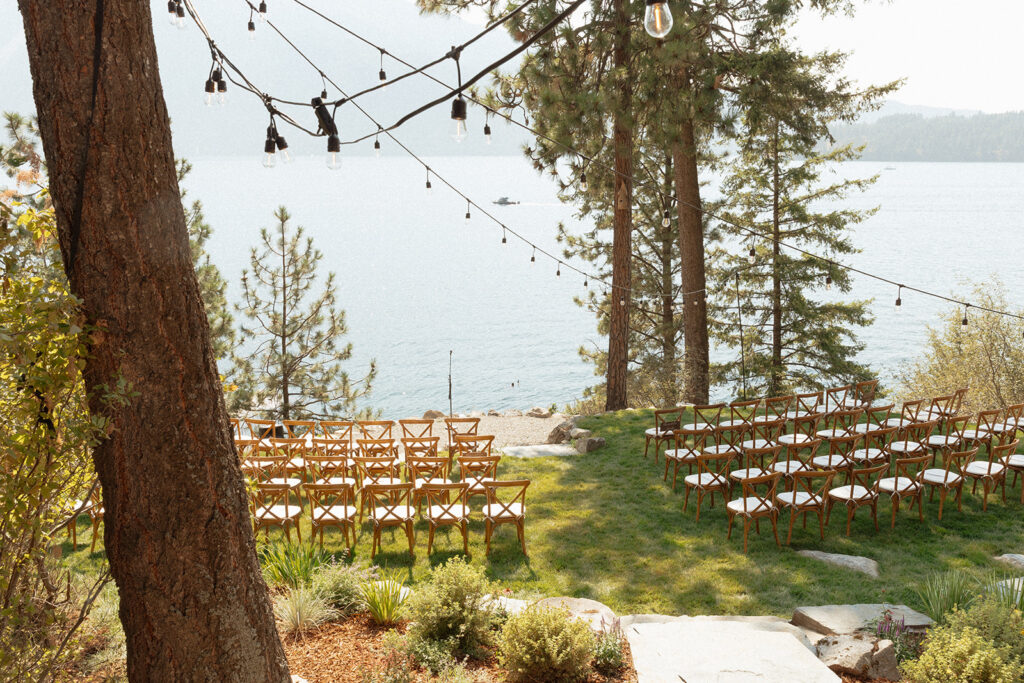
Planning a small wedding opens up venue possibilities that may not work for larger events. Micro weddings can often take place at:
- boutique venues
- private estates / family properties
- vacation rentals (depending on “party” restrictions)
- upscale restaurants
Because you require less space, you may have far more flexibility in where you host your celebration.
Enhanced Guest Experience
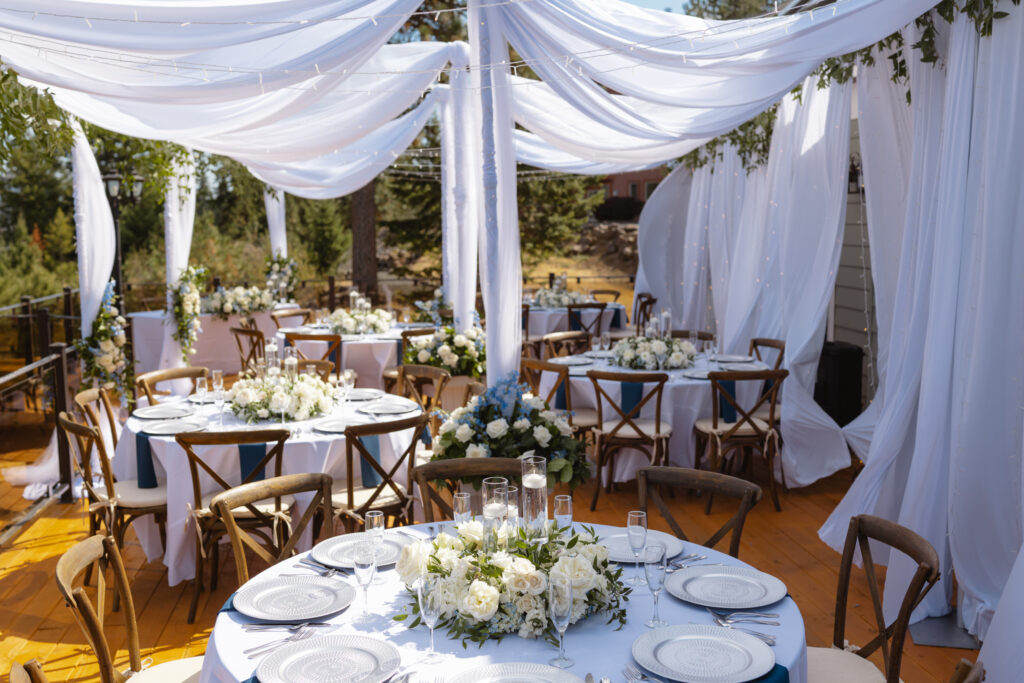
When you’re hosting fewer people, you can often provide a more personalized guest experience.
Examples include:
- handwritten notes at each place setting
- custom welcome gifts
- multi-course plated dinners
- specialty cocktails
- interactive experiences
Micro weddings allow couples to focus more intentionally on the details.

Cons of Planning a Micro Wedding
Creating the Guest List Can Be Difficult
One of the hardest parts of micro wedding planning is trimming the guest list. Keeping your wedding under 50 people can become challenging very quickly once you begin factoring in:
- immediate family
- extended family
- close friends
- plus-ones
- family expectations (but remember this is your day)
A smaller guest list often requires firm boundaries and difficult conversations.
Micro Weddings Are Not Always Cheap
A common misconception is that planning a micro wedding automatically means spending less money. While your overall investment may decrease, many wedding expenses remain the same regardless of guest count:
- photographer
- wedding planner/coordinator
- florist minimums
- entertainment
- rentals and delivery fees
- beauty services
A beautifully designed micro wedding can still be a significant investment.
Small Weddings Still Require Full Planning
Just because you’re planning a wedding for 30 people instead of 130 does not mean the logistics disappear.
You still need to consider:
- timeline creation
- vendor coordination
- layout and floor plans
- ceremony logistics
- décor setup
- contingency planning
Planning a micro wedding still requires strategy and organization.
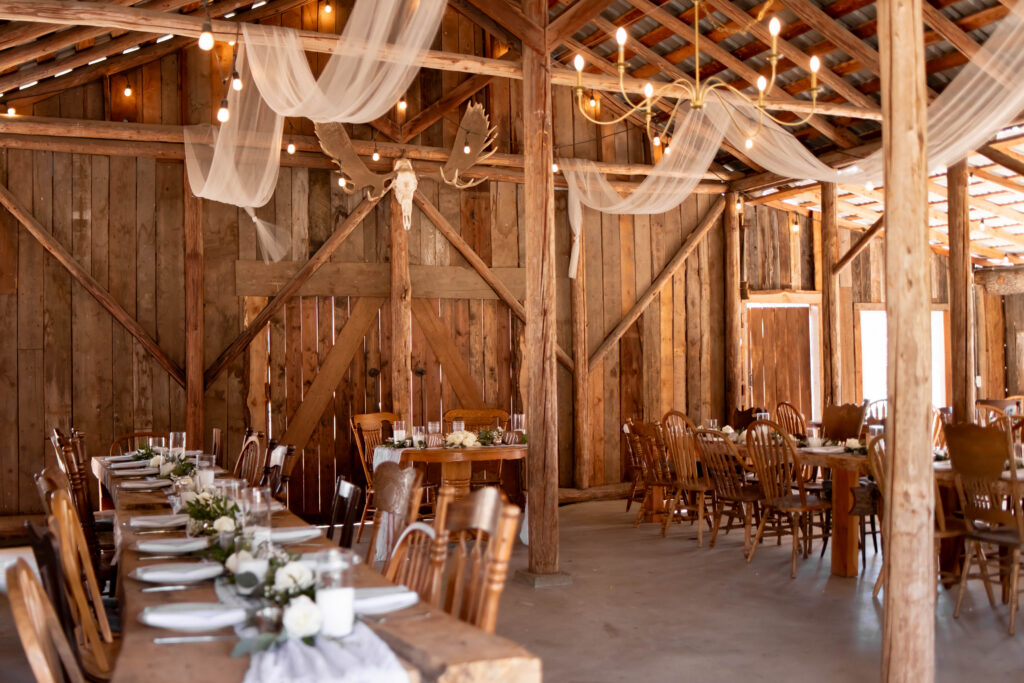
Dos of Planning a Micro Wedding
Do Focus on Guest Experience
With fewer attendees, every guest interaction matters more. When planning your micro wedding, think through:
- guest comfort
- flow of the day
- seating arrangements
- food and beverage quality
- meaningful moments throughout the event
The success of a micro wedding often comes down to thoughtful execution.
Do Lean Into Personalization
A smaller wedding gives you more room to break tradition and personalize the experience. Consider incorporating:
- family-style or plated dinner service
- interactive food or drink stations
- unique ceremony setups
- private vows
- custom entertainment
This is your opportunity to create a day that feels uniquely yours.
Do Hire Professional Help
Many couples think smaller weddings mean they can skip hiring support, but this is often a mistake. Even a micro wedding needs someone to:
- manage vendors
- troubleshoot issues
- direct guests
- maintain the timeline
- oversee setup and transitions
Having a planner or coordinator will always (no matter the guest size) allow you to actually enjoy your day.
Don’ts of Planning a Micro Wedding
Don’t Forget About Timeline Flow & Organization
Micro weddings may be smaller, but they still require intentional planning and coordination. Without structure, even intimate weddings can quickly feel chaotic. Because there are fewer guests:
- dinner service moves faster
- lines are shorter
- transitions happen quickly
Without careful planning, your wedding day can unintentionally feel rushed or end earlier than expected.
Don’t Invite Out of Obligation
When planning a micro wedding, every invitation matters. Be intentional about who is present and avoid sacrificing your vision simply to meet outside expectations. It can be beneficial to have a response already drafted up (agreed upon between you both as a couple) if someone in your life asks about being invited to your wedding.
A firm yet polite response that emphasizes the intimate nature of the event and focuses on budget or venue capacity constraints. Keep it short, kind, and avoid over-explaining to prevent further questions. Do not feel like you need to justify your decision to host a micro wedding as that will open the door to opinions, questions and possible “negotiations”. Do not publicly list your reasons, this should be kept to private and personal conversations. And try to end it by saying that you look forward to celebrating in a different way later.
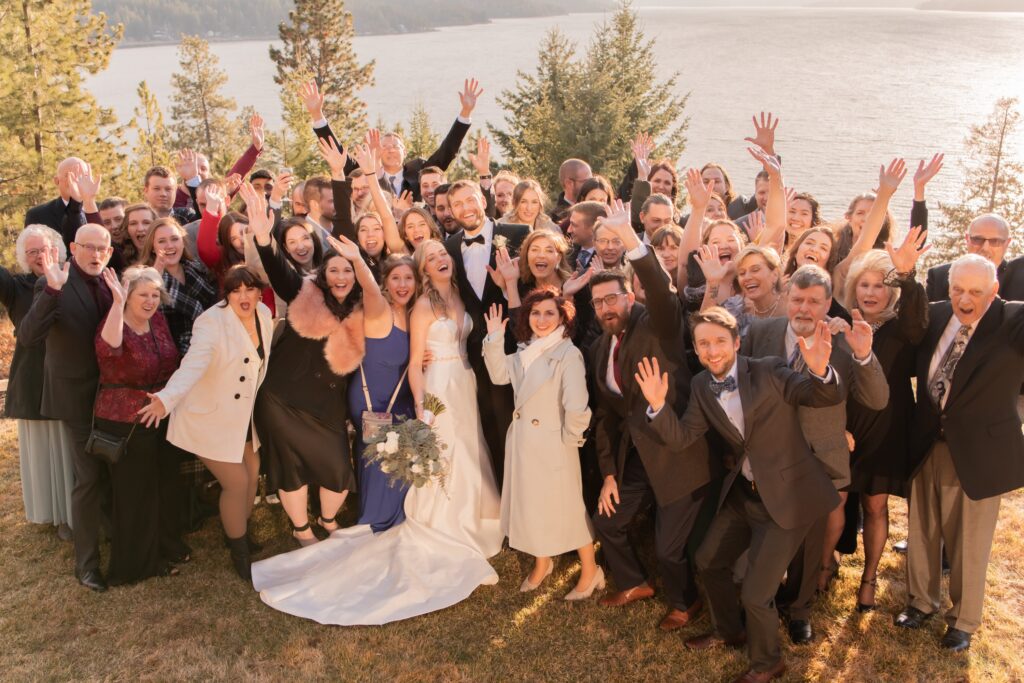
Questions to Ask Yourself Before Planning a Micro Wedding
Before committing to a micro wedding, ask yourselves:
- Do we truly want an intimate celebration?
- Are we comfortable with setting guest list boundaries?
- Are we prioritizing experience over guest count?
- Does our family dynamic support a smaller wedding?
- Are we prepared if some people feel left out?
Micro weddings can be incredibly special… when chosen intentionally for the right reasons.
Final Thoughts on Micro Wedding Planning
Planning a micro wedding can create one of the most meaningful, beautiful, and memorable celebrations imaginable, but smaller does not automatically mean simpler. A micro wedding still requires thoughtful planning, intentional design, and strong logistics to execute well.
If you’re dreaming of a wedding day centered around intimacy, personalization, and meaningful connection, a micro wedding may be the perfect fit. But like any wedding, the magic is in the details and organization.
If you’re planning a micro wedding and want expert guidance to ensure every detail is thoughtfully considered, I’d love to help. Intimate celebrations may be smaller in size, but they still deserve intentional planning, seamless logistics, and a design experience that feels elevated and personal. Whether you’re dreaming about a private residence dinner party-style reception or a beautifully curated celebration with your closest people at the cutest little venue, having a planner in your corner can make all the difference.
Leave a Reply

Our monthly newsletter is a great way to stay up-to-date on all the happenings in the wedding community, get links to the most recent blog posts, and be the first to know when any new digital resources are released!
Stay up to date.