


Hosting a Private Residence Wedding: What Couples Don’t Always See

There is something undeniably magical about hosting a wedding at a private residence. Maybe it’s a family lake home filled with memories. An expansive farm surrounded by wheat fields. A backyard that has quietly witnessed years of milestones and laughter.
Private residence weddings feel deeply personal, because they are… that’s the point! They offer flexibility, intimacy, and the opportunity to create something entirely your own. But behind the beauty and sentiment is a reality that many couples don’t fully see when they first fall in love with the idea:
A private residence wedding isn’t simply a venue alternative. It’s building a venue from the ground up… often for one weekend only. And that does present incredible opportunity, but will also require a significantly detailed logistical plan.
It’s Not Always the Budget-Friendly Option
One of the biggest misconceptions about private residence weddings is that they automatically save money. Sometimes they can. But more often? They don’t.
Most homes and properties are not designed to host 100–200 guests for a large-scale event. That means nearly everything a traditional venue already provides must be brought in intentionally.
Think:
- Tents or covered structures
- Tables and chairs
- Lighting and power solutions
- Catering kitchens or prep areas
- Flooring or updating landscaping for uneven ground
- Heating or cooling depending on the season
Even something as simple as dinner service requires planning for staging areas, service logistics, and staffing flow. When couples choose a private residence, they’re choosing customization (“less rules” is very appealing), not necessarily simplicity.
Parking: The First Guest Experience
Before guests ever see the ceremony or the welcome table, they experience arrival.
Where will 50+ cars park?
Is the property accessible for larger vehicles or shuttles?
Will neighbors be impacted?
Is there going to be a need for things like golf carts or side-by-sides to shuttle guests once parked?
Rural properties or waterfront residences often have limited access roads or unpaved driveways. Suburban homes often lack driveway space or street parking access. Without thoughtful planning, arrival can quickly become stressful for guests or disruptive to surrounding neighbors.
Many private residence weddings require:
- Offsite parking lots
- Shuttle coordination
- Dedicated parking attendants
- Clear signage and guest communication
When done well, guests never notice the logistics. When overlooked, it becomes the first thing they remember.
Bathrooms Matter More Than You Think
It’s not the most glamorous topic, but it may be one of the most important. Residential plumbing systems are rarely designed to accommodate dozens (or hundreds) of guests over several hours.
Luxury restroom trailers are often the best solution, offering:
- Climate control
- Running water
- Proper lighting and mirrors
- ADA accessibility options
They also protect the home itself from unexpected plumbing issues during the celebration.
(Local couples: there are some wonderful luxury restroom rental companies serving the Inland Northwest that specialize in weddings: Royal Flush, Lux Restroom Trailers, Privy Chambers)
Guest Flow Isn’t Automatic
Traditional venues are designed with weddings in mind. There’s usually an intuitive progression: Arrival → Ceremony → Cocktail Hour → Reception → Exit.
Private properties rarely have that built in. Guests may need to move across lawns (and sometimes back again), down gravel paths, through gardens, or between multiple structures throughout the evening.
Questions to consider:
- Can guests easily understand where to go next?
- Is everyone going to be able to hear the ceremony (and vows)?
- Are there safe walking paths after sunset?
- What happens if weather changes quickly?
Creating a seamless guest experience requires intentional layout planning, signage, lighting design, and sometimes creative solutions couples wouldn’t initially anticipate. The goal here isn’t just a beautiful event. It’s a comfortable one.
Vendors Need Support, Too
Professional vendors can absolutely transform a private property into something extraordinary. But they also need infrastructure to do their best work.
Where does catering prep food?
Is there power available for DJs or bands?
Is load-in accessible for rental companies?
Can florists easily access the ceremony & reception spaces with large arrangements?
Where can staff safely take breaks or store personal items, out of the eye of guests?
These details rarely show in photos, but they can directly impact how smoothly the wedding unfolds behind the scenes.
The Role of a Wedding Planner (And Why Experience Matters)
This is where having an experienced planner becomes invaluable. Private residence weddings require coordination long before the wedding day arrives.
A planner experienced in these environments is thinking about:
- Property logistics, necessary permits, and liability insurance
- Vendor load-in schedules
- Power needs
- Weather backup strategies
- Neighbor considerations and noise ordinances
- Safety and accessibility for guests
Most importantly, they’re protecting both the celebration and the property itself. When your wedding takes place somewhere meaningful (a childhood home, a family farm, a special gathering place) preserving that space matters just as much as creating a beautiful day within it. Because days will continue to move on after the wedding weekend, and you will want to continue to be able to return to that special place over and over.
When Done Well, They’re Truly Extraordinary
Private residence weddings can be some of the most meaningful celebrations imaginable. They allow couples to tell their story in a way maybe no traditional venue ever could. But they succeed best when approached thoughtfully, collaboratively, and with the right professional support guiding the process.
Because the goal isn’t simply to host a wedding at home. It’s to create an experience where guests feel welcomed, vendors feel supported, and you can actually step back and enjoy the celebration you worked so hard to build & plan.
Thinking About Hosting a Private Residence Wedding?
If you’re considering a private property celebration and want guidance on what it realistically involves, I’d love to help you explore what’s possible.
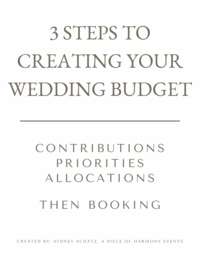
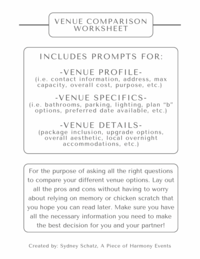
Or if you’re still deciding between venue options, my Venue Comparison Worksheet can help you weigh what matters most for your wedding day. And my Budget Workbook can walk you through where and how you can intentionally allocate your funds.
Leave a Reply

Our monthly newsletter is a great way to stay up-to-date on all the happenings in the wedding community, get links to the most recent blog posts, and be the first to know when any new digital resources are released!
Stay up to date.